
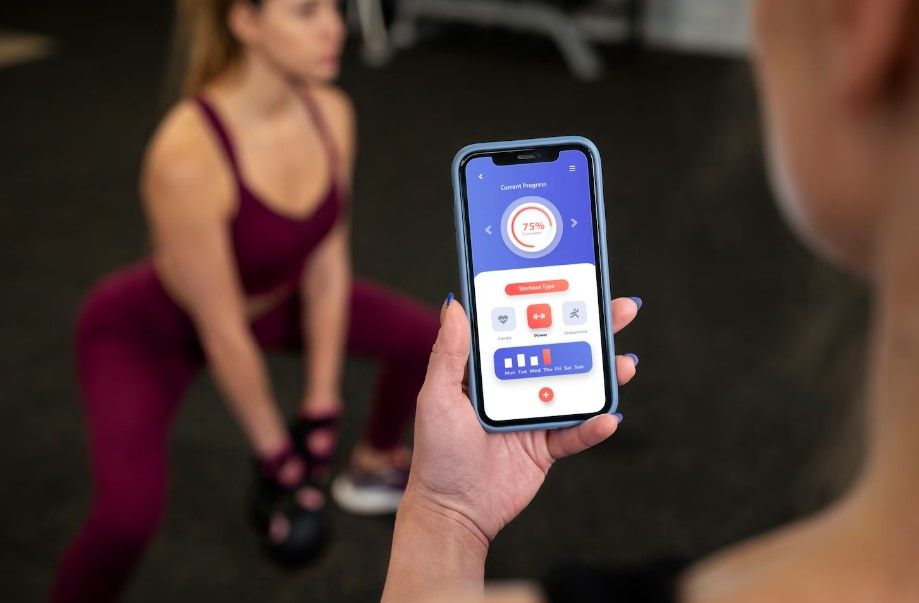
The fitness industry has undergone a massive digital transformation in recent years. Mobile technology, wearable devices, virtual coaching, and personalized health tracking have changed how people manage their health and wellness goals. Consumers today increasingly rely on fitness apps for workout guidance, nutrition planning, progress monitoring, and virtual training experiences.
This growing demand has created strong opportunities for businesses investing in fitness mobile app development.
Whether you are a startup founder, gym owner, healthcare business, wellness coach, or entrepreneur, building a fitness app can open new revenue streams and improve customer engagement.
In this article, we will explore how to approach fitness app development, key features to include, development challenges, cost factors, and how partnering with a professional development company can help create successful digital fitness platforms.
Understanding Fitness Mobile App Development
Fitness mobile app development refers to the process of designing, building, testing, and maintaining mobile applications focused on fitness, wellness, health tracking, and exercise management.
Fitness apps can serve multiple purposes, including:
- Workout planning
- Activity tracking
- Nutrition management
- Meditation and wellness programs
- Personal coaching
- Virtual fitness classes
- Health analytics
Modern fitness app development projects often combine mobile technology, cloud infrastructure, wearable integrations, and artificial intelligence to deliver highly personalized user experiences.
As health-conscious consumers continue adopting digital wellness tools, businesses are investing heavily in scalable fitness solutions.
Step 1: Define Your Fitness App Idea and Audience
Every successful app begins with a clear concept.
Before starting development, businesses should identify their target audience and application goals.
Different fitness apps target different user segments.
Common categories include:
Workout and Training Apps
These applications focus on:
- Exercise routines
- Video tutorials
- Strength training plans
- Home workouts
- Personal training guidance
Activity Tracking Apps
Tracking-based applications monitor:
- Daily steps
- Calories burned
- Distance traveled
- Sleep patterns
- Heart rate metrics
These apps often integrate with wearable devices.
Nutrition and Diet Apps
Nutrition-focused fitness apps help users manage:
- Meal planning
- Calorie tracking
- Diet recommendations
- Hydration monitoring
- Health goals
Wellness and Mindfulness Apps
Modern fitness ecosystems increasingly include:
- Yoga programs
- Meditation sessions
- Mental wellness tools
- Stress management resources
Understanding user expectations is an important first step in successful fitness mobile app development.
Step 2: Identify Essential Features for Fitness App Development
Feature selection significantly impacts user experience and long-term platform success.
Professional fitness app development services usually recommend balancing usability, functionality, and scalability.
Here are several important features commonly found in successful fitness applications.
User Registration and Profiles
Personalization begins with strong user profiles.
Users should be able to create accounts, enter fitness goals, and manage preferences.
Profile information may include:
- Age
- Weight
- Fitness objectives
- Activity level
- Medical considerations
These details support customized experiences.
Workout and Exercise Libraries
Many fitness applications include extensive content libraries.
Users often expect access to:
- Guided workouts
- Exercise instructions
- Video demonstrations
- Training schedules
- Personalized routines
Content quality strongly influences user retention.
Progress Tracking and Analytics
Tracking features help users stay motivated.
Modern fitness apps often monitor:
- Weight changes
- Workout completion
- Calories burned
- Performance milestones
- Goal achievement
Visual analytics dashboards improve engagement and encourage consistency.
Push Notifications and Reminders
User engagement is critical for fitness applications.
Push notifications can support:
- Workout reminders
- Goal tracking alerts
- Motivation messages
- Nutrition prompts
- Activity updates
Effective communication strategies improve app usage rates.
Wearable Device Integration
Wearable technology plays a growing role in the fitness industry.
Modern fitness app development frequently includes integrations with:
- Smartwatches
- Fitness bands
- Health monitoring devices
- GPS trackers
These integrations improve real-time tracking accuracy and personalization.
Step 3: Focus on User Experience and App Design
Fitness applications depend heavily on usability and user engagement.
Even feature-rich applications may struggle if navigation is confusing or design quality is poor.
Strong UX design in fitness mobile app development should focus on:
- Simple navigation
- Clean dashboards
- Easy activity tracking
- Fast performance
- Mobile responsiveness
Good design can improve:
- User satisfaction
- Retention rates
- Session duration
- Customer loyalty
Modern users expect intuitive experiences across both Android and iOS devices.
Step 4: Choose the Right Technology Stack
Technology selection plays a major role in application performance, security, and scalability.
A professional fitness app development company typically helps businesses select suitable development technologies based on project goals.
Technology decisions may include:
Mobile Development Frameworks
Development teams may use:
- Native Android development
- Native iOS development
- Cross-platform frameworks
- Hybrid app technologies
Each approach offers different advantages related to speed, performance, and budget.
Backend Infrastructure
Fitness applications often require backend systems for:
- User authentication
- Data synchronization
- Content management
- Analytics processing
- Cloud storage
Reliable infrastructure supports stable user experiences.
API Integrations
Modern fitness apps frequently integrate third-party tools such as:
- Payment gateways
- Health APIs
- Wearable device platforms
- Video streaming services
- Analytics systems
Integration planning is essential for advanced application functionality.
Step 5: Understand Fitness App Development Cost
One of the most common questions businesses ask is about fitness app development cost.
There is no universal pricing model because development expenses depend on multiple factors.
Several variables influence total project cost.
App Complexity
Simple fitness applications generally cost less than advanced platforms.
Basic apps may include:
- User login
- Workout tracking
- Progress monitoring
Advanced applications may involve:
- AI recommendations
- Video streaming
- Wearable integrations
- Real-time analytics
- Subscription systems
Complexity significantly impacts development effort.
Platform Selection
Businesses may choose:
- Android-only development
- iOS-only development
- Cross-platform deployment
Multi-platform solutions usually involve broader development scope.
Design Requirements
Custom UI/UX design can affect project investment.
Highly interactive designs, animations, and personalized interfaces often require additional development resources.
Third-Party Integrations
Advanced integrations can increase overall fitness app development cost depending on technical requirements and service dependencies.
Maintenance and Updates
Development does not end after launch.
Businesses should plan budgets for:
- Performance optimization
- Bug fixes
- Feature enhancements
- Security updates
- Ongoing technical support
Long-term maintenance is an important cost consideration.
Step 6: Work with a Professional Fitness App Development Company
Developing a successful fitness application requires technical expertise, market understanding, and strategic planning.
This is why many organizations partner with an experienced fitness app development company.
Here are several benefits of working with specialists.
Industry Expertise
Experienced development providers understand:
- Fitness industry trends
- User engagement strategies
- Health tracking technologies
- Mobile application best practices
Industry knowledge often improves development outcomes.
Customized Development Solutions
Every fitness business has different goals.
Professional fitness app development services can create customized platforms tailored to:
- Gyms and fitness centers
- Personal trainers
- Health startups
- Wellness brands
- Healthcare organizations
Customization helps align applications with business objectives.
Faster Development Timelines
Established development teams typically follow structured workflows, testing practices, and deployment processes.
This can accelerate project completion without sacrificing quality.
Scalable Architecture
Fitness applications may experience rapid user growth.
A reliable fitness app development company focuses on scalable architecture that can support:
- Growing user bases
- Expanded feature sets
- High traffic volumes
- Future integrations
Scalability supports long-term business growth.
Future Trends in Fitness App Development
The digital fitness market continues to evolve rapidly.
Several trends are shaping the future of fitness app development.
Artificial Intelligence and Personalization
AI technologies enable:
- Personalized workout recommendations
- Smart health analysis
- Adaptive training plans
- Predictive wellness insights
AI-driven experiences are becoming increasingly popular.
Virtual Training and Live Classes
Live coaching and virtual fitness sessions continue gaining adoption among users seeking remote fitness experiences.
Gamification Features
Gamification helps improve motivation through:
- Achievement badges
- Challenges
- Leaderboards
- Rewards systems
These features encourage consistent user participation.
Telehealth and Wellness Integration
Fitness and healthcare ecosystems are increasingly intersecting.
Future applications may integrate broader health monitoring and wellness management capabilities.
Conclusion
The digital fitness industry presents significant opportunities for businesses looking to engage modern consumers through innovative technology.
Successful fitness mobile app development requires thoughtful planning, strong user experiences, scalable architecture, and feature-rich functionality.
From workout tracking and wearable integrations to analytics dashboards and personalized coaching, effective fitness app development can create valuable digital experiences that support user health and business growth.
Understanding fitness app development cost, selecting the right technology strategy, and partnering with a trusted fitness app development company can significantly improve project success.
Businesses seeking reliable fitness app development services should focus on user needs, long-term scalability, and innovation to build competitive solutions in the rapidly growing digital wellness market.